Insights
Gamification in luxury beauty: 5 digital formats that engage without cheapening the brand
Luxury brands want attention without looking cheap. Play can do both, if every detail is art-directed. Here are the five formats we build most often for beauty and fragrance houses, and when to choose each one.
1. Branded mini games: a few seconds of pure pleasure
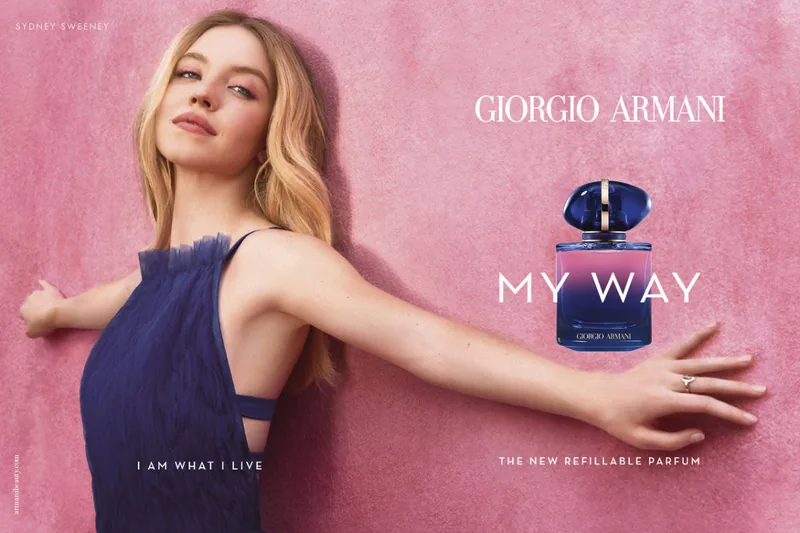
A mini game works when it is simple enough to understand in one second and beautiful enough to be shared. For Giorgio Armani’s My Way, we created an easy, addictive fruit-slicer game that carries the lightness of the fragrance to Sevilla. For Yves Saint Laurent’s Black Opium Over Red, we gave the classic pinball a cyber and bold environment in line with the fragrance.
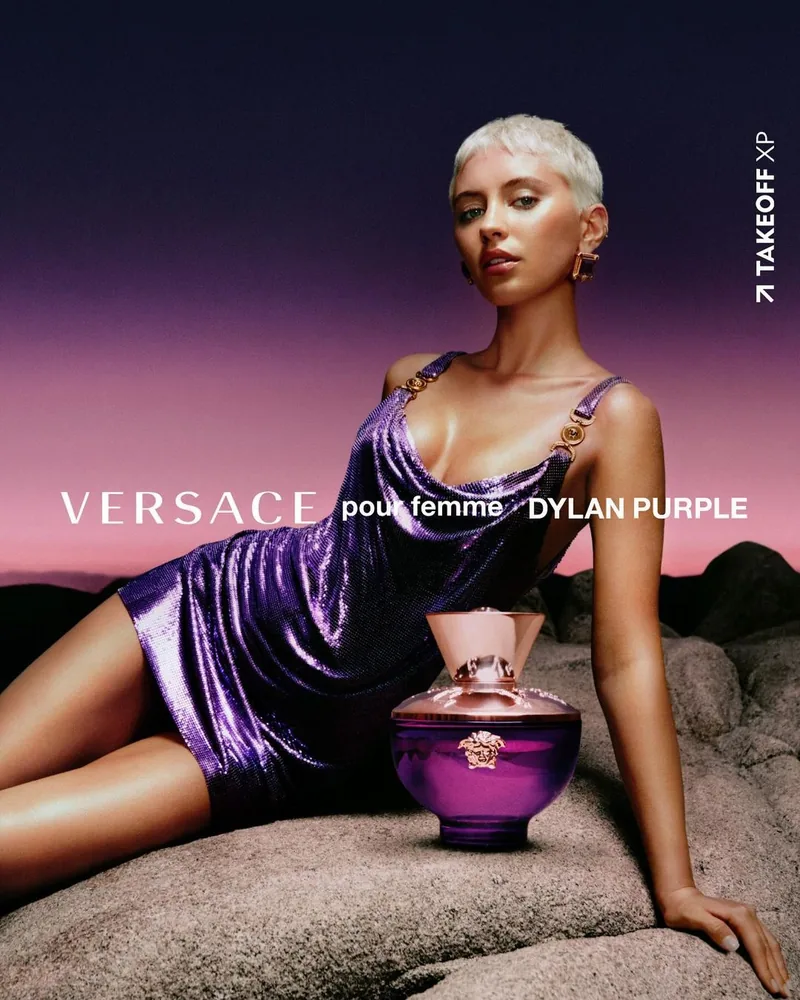
The mechanic can also carry a business goal. The Versace Dylan Purple mini game invites customers to play to win free fragrance samples: the reward belongs to the brand and puts the product in people’s hands.
Choose it when you want reach, replays and a simple call to action, such as a sample request.
2. Fragrance finders: guidance instead of a catalogue
Choosing a fragrance online is hard: you cannot smell the screen. A fragrance finder turns the choice into a short, personal journey. The Azzaro finder asks personality questions so that everyone finds their true Azzaro scent. The Gucci Guilty finder guides the customer through an olfactive journey and, in a few steps, matches a fragrance to their lifestyle, their boldness and their individuality.
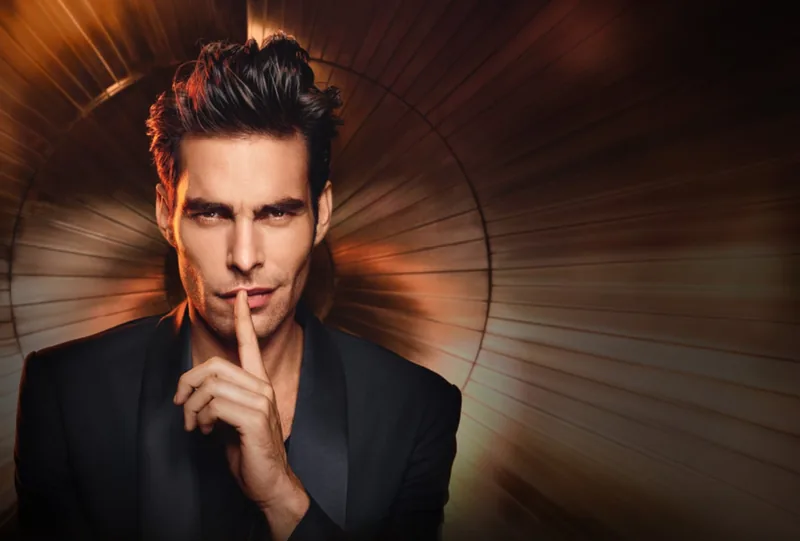
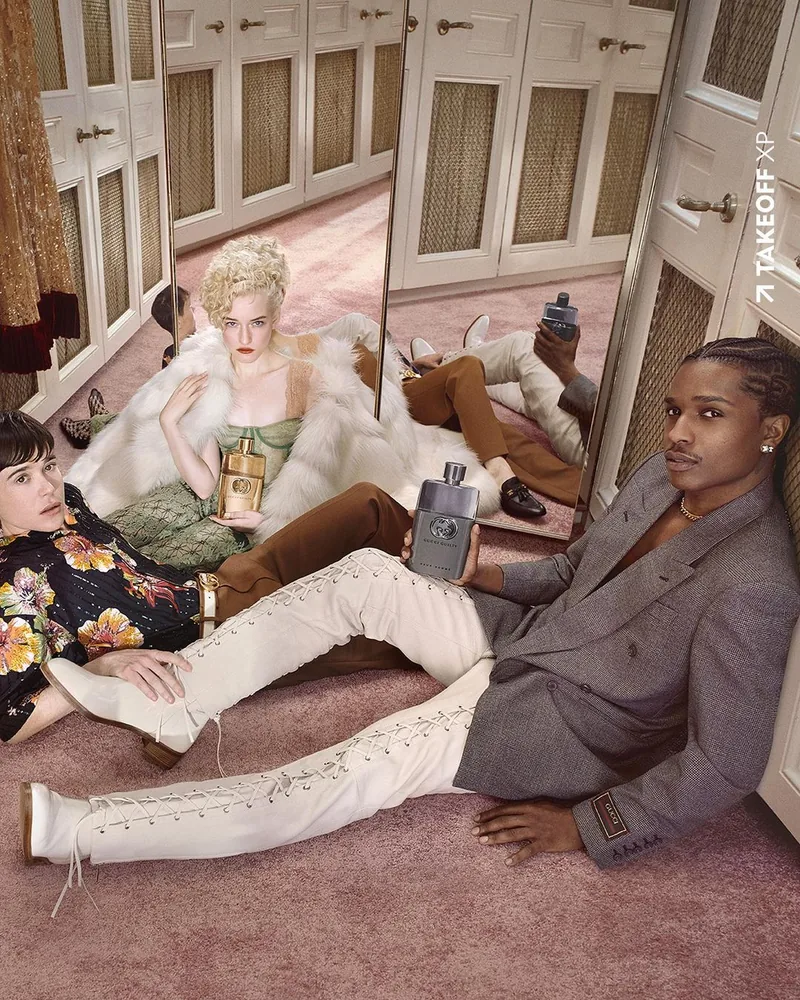
Choose it when you have a collection with several scents and want to help people pick the right one, on the e-shop or in a campaign. A finder also works inside a larger campaign: the Gaultier Divine 360° campaign included a fragrance discovery tool alongside 3D content and billboard animations.
3. Immersive 360° worlds: let people step inside the story
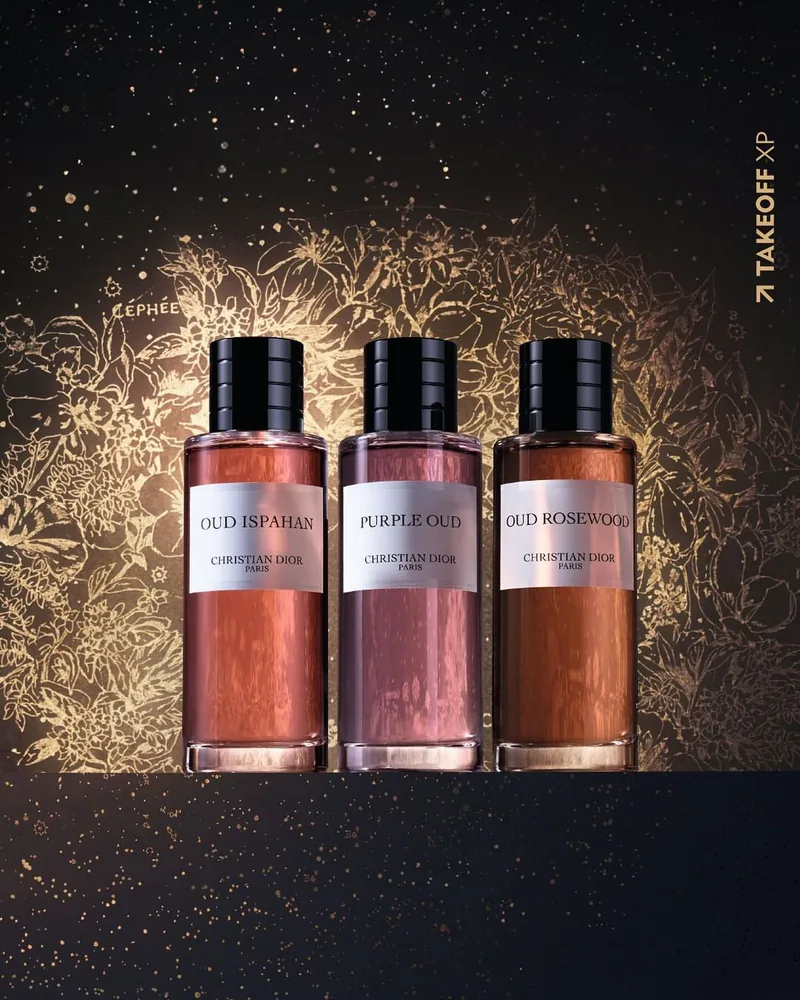
Some stories need space. For the Dior Beauty Oud collection, Quest for the Dior Star transports players to a desert at night, searching the starry sky for the ingredients of the collection. For Lancôme, we recreated the Domaine de la Rose in 3D: a 40,000 m² (10 acre) estate in Grasse where visitors freely explore La Maison Rose, the distillery and the fields, and learn about sustainable fragrance making and biodiversity, from their smartphone or laptop.
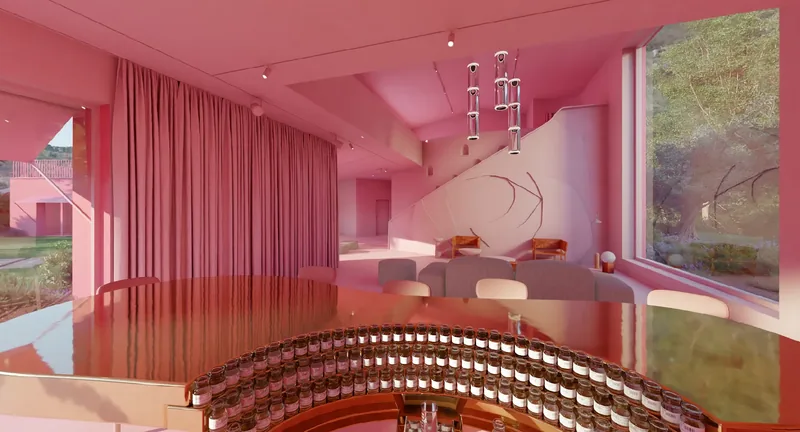
Choose it when the brand has a place, an origin or ingredients worth exploring, and you want time spent with the brand rather than a quick click.
4. AR filters: the product on your own face
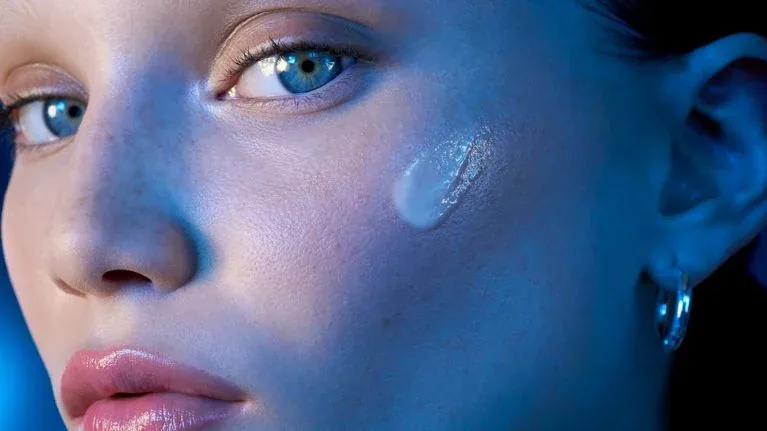
Augmented reality answers the beauty customer’s first question: what will it do for me? The Biotherm Blue Retinol TikTok filter shows in real time what the cream does to the face and skin, and encourages people to smile with their new luminous, bouncy skin. Because it lives on TikTok, every try can become a piece of content.
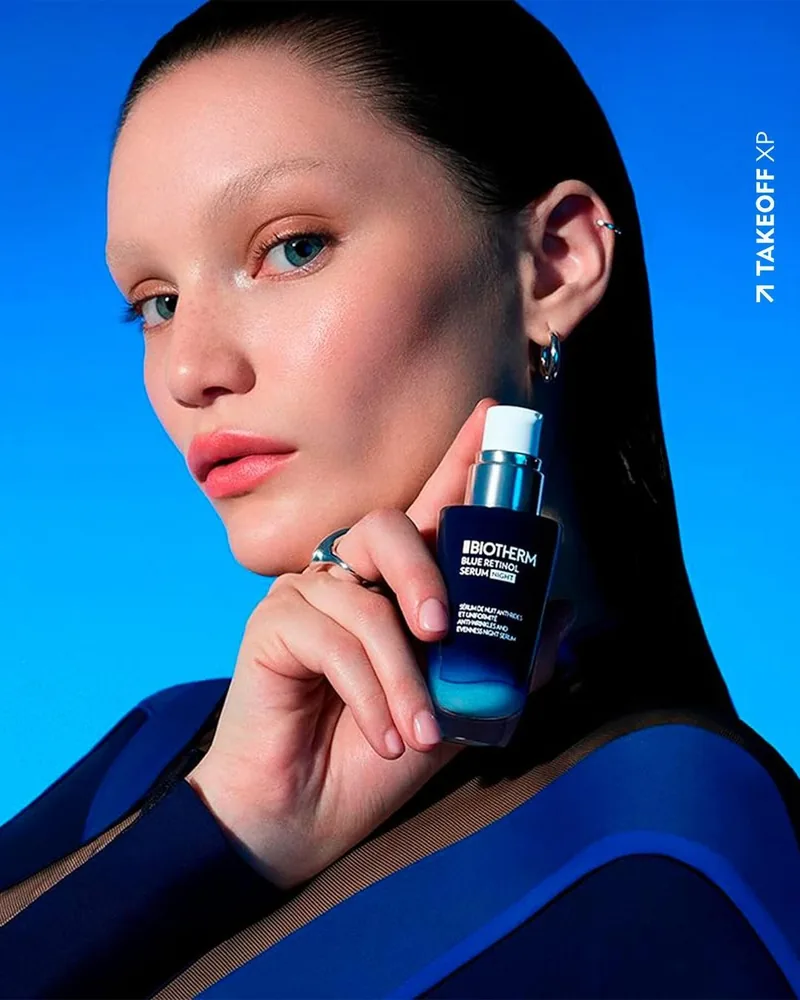
Choose it when the product has a visible effect and your audience is on social platforms.
5. 3D product content: the bottle as the hero
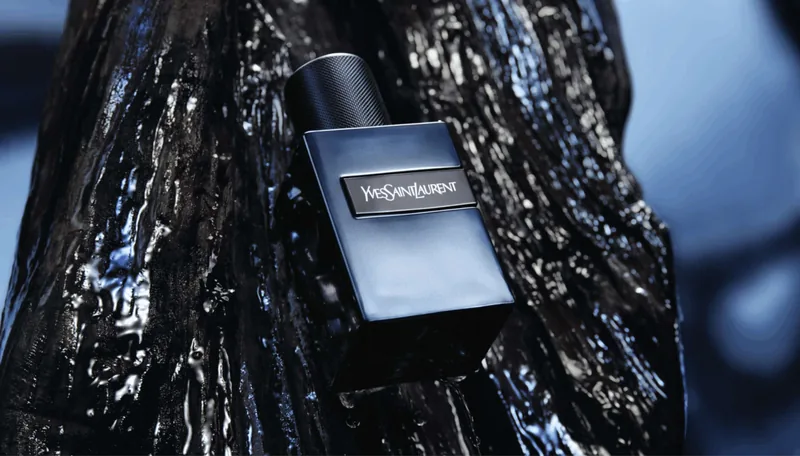
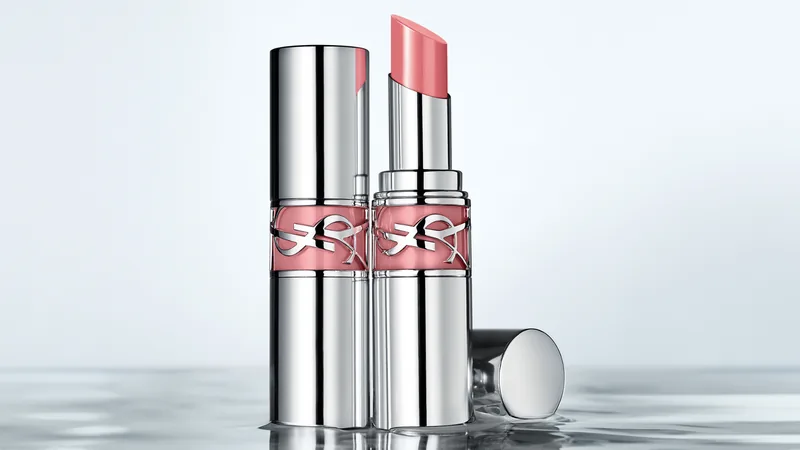
Not every activation needs a game. Sometimes the strongest move is to make the product itself spectacular. For Yves Saint Laurent, we built a 3D model of the Y fragrance and set it in a mesmerizing environment, and recreated the Loveshine lipstick entirely in 3D for a cutting-edge look. A 3D model, once built, also feeds billboards, social formats and the other formats in this list.
Choose it when you launch a new product, need assets for many channels, or want to show a texture or a mechanism that is hard to film.
How to keep it luxury
Across all five formats, the same rules apply. Art direction comes first: the game or the tool should look like the brand’s campaign, not like a generic app. One idea per activation: a fruit slicer, a pinball, a quest, never all at once. Short sessions, on mobile and web, with nothing to install. And a reward or a next step that belongs to the brand, such as a sample, the right fragrance or a visit to the e-shop.